Categories
Romantic Getaway

Why You Should Visit Northern Ontario for a Romantic Getaway

Some places invite noise and crowds. Northern Ontario invites closeness, making it ideal for a romantic getaway. Wide skies, quiet forests, frozen lakes, and slow mornings create space for connection. Couples who visit often leave feeling renewed, calmer, and closer.

If you want meaningful time together, Northern Ontario delivers romance without distraction.

A Landscape That Brings You Closer

Nature sets the tone. Northern Ontario surrounds you with lakes, pine forests, and endless horizons. These landscapes encourage silence, conversation, and shared moments.

You wake to stillness. You fall asleep under star-filled skies. The environment naturally supports a romantic getaway in Ontario that feels private and intentional.

Unlike busy destinations, Northern Ontario never rushes you. Every moment unfolds at your pace.

Privacy You Can Actually Feel

Romance thrives in privacy. Northern Ontario offers space, not crowds. Many destinations feel exclusive, even during peak seasons.

You can walk hand in hand without distractions. You can share quiet meals without noise. This sense of seclusion defines true Northern Ontario romantic escapes.

For couples seeking authenticity, privacy becomes the luxury.

Experiences Designed for Two

Northern Ontario focuses on shared experiences. Canoeing at sunrise. Fireside evenings. Snowshoeing through silent trails. Watching northern lights dance above you.

Each activity strengthens connection. Each moment feels personal. These experiences turn a simple trip into a meaningful couples vacation in Canada.

You don’t need packed itineraries. You need moments that invite presence.

Perfect for Every Season

Northern Ontario shines year-round. Summer brings warm lakes and long evenings. Fall offers crisp air and stunning colors. Spring feels fresh and reflective.

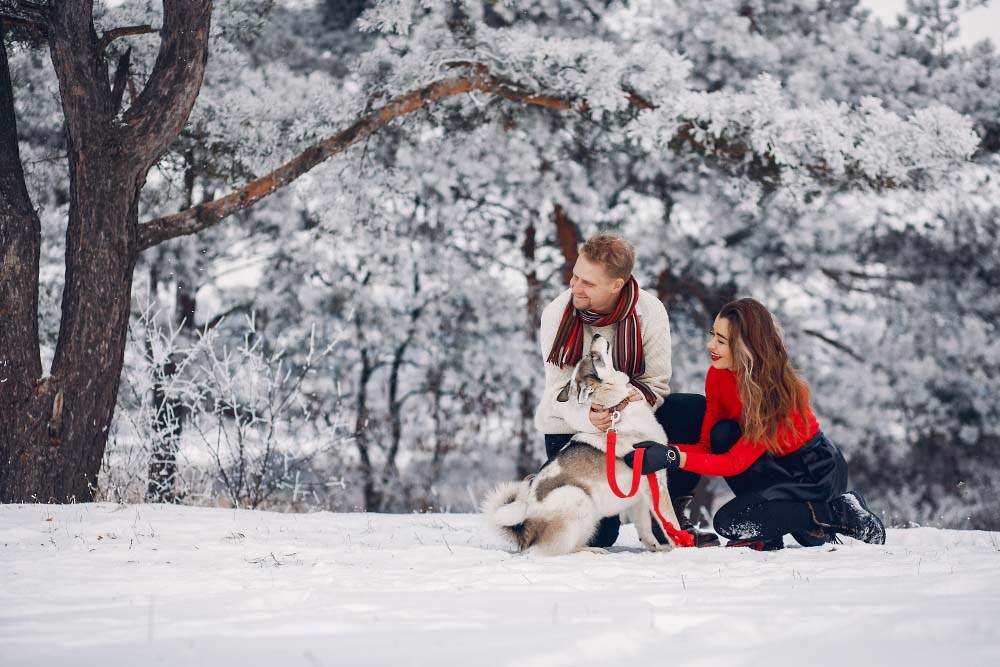
Winter creates magic. Snow-covered landscapes feel intimate and peaceful. Fires burn brighter. Hot drinks taste better. Winter turns Northern Ontario into a romantic getaway in Ontario that feels cinematic and cozy.

Every season offers a new reason to return.

Cozy Stays That Set the Mood

Accommodations enhance the experience. Northern Ontario offers lodges, boutique hotels, and secluded cabins designed for comfort and romance.

Think fireplaces. Lake views. Soft lighting. Warm interiors that contrast beautifully with the wild outdoors. These stays define Northern Ontario romantic escapes that couples remember long after returning home.

The right place turns a trip into a shared retreat.

Unplug and Truly Connect

Northern Ontario encourages disconnection from screens and reconnection with each other. Cell service fades. Time slows.

Without constant notifications, conversations deepen. You notice small details. You listen better. This environment makes a couples vacation in Canada feel intentional and restorative.

Sometimes romance simply needs quiet.

Culinary Moments Feel More Intimate

Dining in Northern Ontario feels thoughtful and unhurried. Local ingredients shine. Meals feel personal, not commercial.

Whether dining lakeside or cooking together in a cabin, food becomes part of the bonding experience. Shared meals strengthen intimacy and create simple yet lasting memories.

Adventure Without Stress

Adventure exists here, but it never overwhelms. You choose the pace. Gentle hikes. Scenic drives. Light paddling.

Northern Ontario supports couples who want exploration without exhaustion. It balances activity and rest beautifully. That balance makes it ideal for a weekend getaway in Ontario that refreshes instead of drains.

Affordable Romance With High Value

Northern Ontario offers excellent value. You enjoy luxury experiences without inflated prices.

Couples can extend their stay or upgrade experiences without stress. This affordability allows more freedom, spontaneity, and enjoyment during a romantic getaway in Ontario.

Great memories don’t need excess spending.

Ideal for Short or Extended Trips

Northern Ontario adapts to your schedule. Plan a quick escape or a longer retreat. Both work beautifully.

A weekend getaway in Ontario feels complete here. You do not need weeks to unwind. Even a few days restore balance and connection.

The destination does the work for you.

A Place That Encourages Presence

Northern Ontario invites you to slow down. To notice each other. To enjoy shared silence.

This presence transforms relationships. It deepens bonds. It creates memories rooted in feeling rather than activity.

That emotional depth defines the best Northern Ontario romantic escapes.

Why Couples Keep Returning

Couples return because Northern Ontario feels real. It feels grounding. It feels intimate.

There is no pressure to perform or impress. Just space to be together. That simplicity makes it one of the most meaningful destinations for romance in Canada.

If you want connection over distraction, Northern Ontario delivers every time.

Conclusion

Romance grows where life slows down. Northern Ontario offers privacy, beauty, and shared experiences that strengthen relationships naturally.

Whether you plan a winter escape or a summer retreat, this region creates the ideal setting for love to breathe. A romantic getaway in Ontario does not need noise or excess. It needs intention, space, and moments that belong only to you.

Northern Ontario offers exactly that.

FAQs

Q1. What are the best romantic activities in Northern Ontario?

A: Couples enjoy lakeside walks, canoeing, stargazing, spa retreats, cozy fireside evenings, scenic drives, snowshoeing, and watching northern lights together in peaceful natural settings.

Q2. Where should couples stay in Northern Ontario?

A: Couples should choose cozy cabins, boutique lodges, lakeside resorts, or intimate hotels offering privacy, fireplaces, scenic views, and quiet surroundings designed for romantic comfort.

Q3. Why Is Northern Ontario perfect for a winter gateway?

A: Winter transforms Northern Ontario into a quiet, snowy escape with cozy stays, outdoor adventures, fewer crowds, and intimate atmospheres that enhance romance and meaningful time together.

Categories
Winter Sports

Winter Wonderland: Why Northern Ontario Is the Best Place for Snow Sports in 2026

Winter transforms Northern Ontario into a true playground for winter sports adventure. Snow falls deep. Trails stretch wide. Forests grow silent and powerful. For outdoor lovers, few places compare.

In 2026, travelers seek authentic experiences, fewer crowds, and real winter conditions. Northern Ontario delivers all three. It offers space, snow, and scenery that elevate every cold-weather adventure.

Real Winter Makes the Difference

Northern Ontario experiences winter the way it should feel. Snow arrives early and stays consistent. Temperatures support quality conditions throughout the season.

This reliability makes planning easier. Visitors do not worry about melting slopes or icy trails. They come for winter sports in Northern Ontario and get exactly what they expect.

That consistency sets the region apart.

Vast Landscapes, Fewer Crowds

Space defines Northern Ontario. Resorts and trail systems stretch across wide-open terrain. Lift lines stay short. Slopes feel open.

Unlike crowded southern destinations, Northern Ontario allows freedom. Skiers and riders move comfortably. Families enjoy relaxed environments. Beginners learn without pressure.

This breathing room improves every experience.

Ski Hills That Feel Authentic

Ski destinations across the region focus on natural terrain and dependable snow. Hills feel rugged yet welcoming.

Fans of skiing in Ontario appreciate the balance. Runs suit beginners, intermediates, and advanced skiers alike. Grooming remains consistent. Views impress from every angle.

Northern Ontario focuses on quality, not hype.

Snowboarding Thrives Here

Snowboarders value terrain, snow depth, and flow. Northern Ontario delivers all three.

Snowboarding in Ontario continues to grow, and the north leads the movement. Natural features, terrain parks, and uncrowded runs create ideal conditions for progression and fun.

Riders explore freely without constant congestion.

Cross-Country Trails Stretch for Miles

Not all winter fun involves lifts. Northern Ontario offers extensive cross-country trail networks.

These trails weave through forests, lakes, and open spaces. They support beginners and seasoned athletes alike. The silence enhances focus and rhythm.

This variety strengthens winter sports in Northern Ontario beyond downhill action.

Snowmobiling Adds High-Energy Adventure

Snowmobiling plays a major role in the region’s winter identity. Well-maintained trail systems connect towns and wilderness areas.

Riders enjoy long distances, clear signage, and stunning scenery. Local communities support snowmobilers with services and accommodations.

This activity adds diversity to winter experiences.

Affordable Travel With High Value

Northern Ontario remains budget-friendly compared to major resort destinations. Lift tickets cost less. Accommodations feel comfortable and welcoming.

Travelers stretch budgets further. Families enjoy longer stays. Groups plan repeat trips.

That value makes the region ideal for a winter vacation in Canada focused on experience rather than excess.

Cozy Stays Enhance Cold Days

After long days outdoors, comfort matters. Northern Ontario offers lodges, cabins, and boutique hotels designed for winter warmth.

Fireplaces crackle. Hot meals restore energy. Quiet evenings deepen relaxation.

These stays complement outdoor adventure perfectly.

Easy Access to Wilderness

Many destinations sit minutes from untouched landscapes. Visitors step from accommodations directly onto trails.

This access saves time and maximizes activity. It also deepens the connection with nature.

That proximity enhances winter sports in Northern Ontario by removing barriers between travelers and terrain.

Snowboarding and Skiing Share Space Naturally

Northern Ontario supports both sports equally. Hills designs layouts thoughtfully. Everyone finds space to enjoy their style.

Snowboarding in Ontario thrives alongside traditional skiing culture. The environment feels inclusive and supportive.

That balance attracts mixed groups and families.

Reliable Conditions Attract Serious Enthusiasts

Experienced athletes seek challenge and consistency. Northern Ontario provides both.

Advanced runs, off-trail options, and natural snow depth satisfy high expectations. The region earns respect among dedicated winter athletes.

It continues to attract those who value real winter.

Perfect for Short or Long Trips

Northern Ontario adapts to different travel styles. Weekend escapes feel rewarding. Extended stays reveal deeper exploration.

This flexibility suits modern travelers. A winter vacation in Canada does not need long planning to feel fulfilling.

Even a few dayscan deliver impact.

Local Communities Add Character

Small towns and welcoming locals define the experience. Visitors feel genuine hospitality.

Restaurants serve hearty meals. Shops offer essentials and local charm. Conversations feel easy.

Community warmth contrasts beautifully with cold landscapes.

Strong Infrastructure Supports Adventure

Northern Ontario invests in winter tourism. Trails stay groomed. Facilities remain maintained. Safety standards stay high.

Visitors enjoy peace of mind. Families feel secure. Athletes focus on performance.

This support elevates skiing in Ontario across the region.

Climate Advantage for 2026 and Beyond

Weather patterns continue to challenge southern destinations. Northern Ontario remains dependable.

Colder temperatures protect snow quality. Longer seasons support planning confidence.

This climate advantage positions the region as a leader for future winter travel.

A Place That Feels Unrushed

Time slows in Northern Ontario. Days feel longer. Nights feel quieter.

This pace allows deeper enjoyment. Visitors notice details. They breathe fully.

That emotional space transforms trips into memories.

Why Northern Ontario Stands Above the Rest

Northern Ontario combines nature, snow, space, and community. It delivers authentic winter without distraction.

For travelers seeking genuine adventure, the choice feels clear. The region offers everything winter lovers want, without compromise.

That balance defines its growing appeal.

Conclusion

Winter feels alive in Northern Ontario. Snow falls deep. Landscapes open wide. Adventures unfold naturally.

In 2026, travelers want real winter experiences, not artificial ones. Northern Ontario answers that call with confidence.

From skiing and riding to quiet trails and cozy nights, the region stands unmatched. For anyone planning unforgettable winter sports in Northern Ontario, no destination delivers more.

FAQ’s

Q1. Where are the best places to ski in Northern Ontario?

A: Northern Ontario offers excellent ski hills near Thunder Bay, Sault Ste. Marie and Timmins feature reliable snow, diverse terrain, fewer crowds, and welcoming facilities for all skill levels.

Q2. Is Northern Ontario a good place for snowboarding?

A: Yes, Northern Ontario provides deep natural snow, uncrowded slopes, terrain parks, and varied runs, making it one of the most enjoyable regions for Snowboarding in Ontario.

Q3. How do I prepare for winter sports in Ontario?

A: Dress in layers, use proper insulated gear, check weather forecasts, tune equipment, stay hydrated, and plan rest breaks to safely enjoy winter sports in Ontario’s cold conditions.

Categories
Winter Festivals

Northern Ontario Winter Festivals: Your 2026 Guide to Cold-Weather Fun

When the temperature drops and snow blankets the landscape, Northern Ontario becomes a winter wonderland. The region’s winter festivals in Northern Ontario showcase the best of Canadian cold-weather culture. It brings communities together for celebrations turning freezing temperatures into unforgettable experiences.

Why Northern Ontario Winters Are Worth Celebrating

Northern Ontario’s winters are legendary, with temperatures that can dip well below freezing and snowfall that creates picture-perfect scenes. Rather than retreating indoors, locals embrace the season with enthusiasm. Some highlights include ice sculptures, winter sports, outdoor concerts, and other cultural traditions. These Ontario Winter events draw visitors from across Canada and beyond. They offer experiences that showcase the region’s resilient spirit and natural beauty.

The landscape itself becomes part of the celebration. Frozen lakes provide stages for ice fishing competitions and skating marathons. Snow-covered forests serve as backdrops for torch-lit ski trails and snowshoe expeditions. Historic downtowns sparkle with lights and ice sculptures, while warming stations offer hot chocolate and regional delicacies that help visitors stay cozy between outdoor activities.

Top Winter Festivals Northern Ontario Has to Offer in 2026

Sault Ste. Marie’s Bon Soo Winter Carnival

One of Canada’s longest-running winter carnivals, Bon Soo has been bringing warmth to Sault Ste. Marie’s coldest season since 1964. This multi-day celebration typically runs in February and features everything from polar bear dips to snow sculpture competitions. The festival showcases the community’s creativity with events like outdoor concerts, children’s activities, and the famous beard-growing contest that starts months before the festival begins.

Visitors can watch brave souls plunge into icy waters, participate in pancake breakfasts, or simply wander through the festival grounds, admiring the incredible ice and snow sculptures that artists create specifically for the event. The carnival atmosphere is infectious, with locals and tourists alike bundling up to enjoy outdoor activities that celebrate winter’s unique pleasures.

Sudbury’s Festival of Ice

Sudbury transforms its downtown core into an outdoor gallery during this spectacular event. The Festival of Ice brings professional ice carvers from around the world to create stunning frozen artworks along the city’s main streets. These aren’t simple sculptures—they’re intricate masterpieces that can stand several stories tall, depicting everything from wildlife to abstract designs that sparkle under festival lights.

Beyond the sculptures, the festival offers live entertainment, children’s zones with activities designed for young winter enthusiasts, and local vendors selling everything from handcrafted mittens to artisan foods. The event typically runs for several days in January, giving artists time to complete their frozen creations and visitors multiple opportunities to experience the magic.

Thunder Bay’s Festival of Snowflakes

Thunder Bay’s contribution to cold-weather festivals in Canada includes activities that take advantage of the region’s abundant snowfall and outdoor recreation opportunities. This festival combines athletic competitions with family-friendly fun, featuring everything from cross-country skiing races to snowman-building contests.

The festival grounds typically include areas dedicated to different activities, allowing families to choose their own adventure. Children can enjoy tubing hills and snow play areas, while adults might prefer snowshoeing trails or watching competitive events. Food vendors offer warming treats, and local artisans set up booths showcasing Northern Ontario craftsmanship.

Temiskaming Shores’ Frost Fest

This community-focused celebration brings together the twin cities along Lake Temiskaming for a weekend of winter activities. Frost Fest emphasizes participation over spectating, with events that encourage everyone to get involved. Ice fishing competitions, snow volleyball tournaments, and outdoor cooking demonstrations create an atmosphere where visitors become part of the festival rather than just observers.

The festival also highlights regional culture, with local musicians performing, storytellers sharing Northern Ontario tales, and food vendors offering regional specialties that warm both body and soul.

Planning Your Winter Festival Experience

What to Wear and Bring

Success at winter festivals in Ontario depends largely on proper preparation. Layering is essential—start with moisture-wicking base layers, add insulating middle layers, and top with windproof, waterproof outer shells. Quality winter boots rated for extreme cold are non-negotiable, as are insulated gloves or mittens, warm hats, and scarves or face masks for particularly frigid days.

Don’t forget hand and toe warmers, which can make hours of outdoor activity comfortable rather than merely tolerable. Sunglasses or goggles protect against snow glare, and sunscreen prevents unexpected winter burns from the sun reflecting off snow and ice.

Where to Stay

Many Ontario Winter events take place in cities with accommodation options ranging from budget-friendly motels to comfortable hotels. Booking early is crucial, as festivals draw crowds that can fill available rooms quickly. Consider staying slightly outside the main festival areas for better rates, though ensure your accommodation is close enough to make multiple visits convenient.

Some festivals offer special packages that combine lodging with festival passes or meal vouchers, providing both convenience and value for visitors planning multi-day trips.

Making the Most of Your Visit

Arrive early each day to beat crowds at popular activities. Many cold-weather festivals in Canada offer special events at specific times—opening ceremonies, ice sculpture unveilings, or competition finals—that are worth planning your schedule around.

Take breaks to warm up regularly. Most festivals include indoor warming stations, but nearby restaurants and cafes also welcome festival-goers seeking refuge from the cold. These breaks prevent exhaustion and ensure you can enjoy the full festival experience rather than cutting your visit short due to cold fatigue.

Beyond the Festivals

Northern Ontario’s winter attractions extend beyond organized festivals. The region offers world-class cross-country skiing, snowmobiling trails, winter camping, and northern lights that complement any festival visit.

Many communities maintain outdoor skating rinks throughout winter, and provincial parks offer winter programming. It also includes guided snowshoe hikes and winter ecology programs. Combining festival visits with these additional activities creates a comprehensive Northern Ontario winter experience.

Conclusion

Winter festivals in Northern Ontario represent more than just cold-weather entertainment. They’re expressions of community spirit, creativity, and resilience. They transform the region’s harshest season into something magical. Whether it’s the ice carvers, polar bear plunges, or simply enjoying hot chocolate, these festivals offer authentic Canadian winter experiences.

The 2026 festival season promises to continue Northern Ontario’s tradition of turning freezing temperatures into warm memories. Pack your warmest clothes, bring your sense of adventure, and see the magic unfold

Frequently Asked Questions

Q1. What are the best winter festivals in Northern Ontario?

A: Top festivals include Bon Soo Winter Carnival in Sault Ste. Marie, Sudbury’s Festival of Ice, Thunder Bay’s Festival of Snowflakes, and Temiskaming Shores’ Frost Fest.

Q2. Which winter festivals are free in Ontario?

A: Many Northern Ontario festivals offer free admission to festival grounds and ice sculpture displays, though specific activities or competitions may require registration fees.

Q3. How can I participate in a Northern Ontario winter festival?

A: Register online for specific competitions, volunteer through festival websites, or simply attend and join public activities like snowman-building contests or community events.

Categories
Northern Ontario’s National Parks

Why Northern Ontario’s National Parks Are the Best for 2026 Adventures

Northern Ontario has always been a haven for explorers, nature enthusiasts, and outdoor lovers. But as the world turns its attention to eco-friendly travel and immersive experiences in 2026, Northern Ontario’s national parks stand out as the ultimate destinations for those seeking a genuine connection with Canada’s wild heart.

From vast boreal forests to crystal-clear lakes and rugged coastlines, this region offers more than just scenic beauty—it promises unforgettable outdoor adventures, sustainable tourism, and cultural depth unlike anywhere else in the country.

1. The Untamed Beauty of Northern Ontario’s National Parks

The phrase Northern Ontario’s national parks brings to mind untouched wilderness and the kind of solitude that modern travelers crave. These parks—such as Pukaskwa National Park, Killarney Provincial Park, and Lake Superior National Marine Conservation Area—boast some of the most dramatic landscapes in the country. Towering cliffs, ancient forests, and shimmering freshwater beaches create a playground for adventurers who want to disconnect from city life and reconnect with nature.

What sets Northern Ontario apart is the sheer diversity of its terrain. In one region, you can kayak along the rugged Lake Superior shoreline; in another, you can hike through pine-covered ridges or paddle across calm, mirror-like lakes surrounded by granite cliffs. Each park tells a different story, shaped by glaciers, time, and the enduring strength of Canada’s northern ecosystems.

2. Outdoor Adventures Ontario: Beyond the Ordinary

When people talk about outdoor adventures in Ontario, they often think of canoeing in Algonquin or cycling in Muskoka—but Northern Ontario takes adventure to a whole new level. The region offers some of the most remote, pristine, and rewarding outdoor experiences in North America.

  • Pukaskwa National Park: Known for its rugged coastal hiking and breathtaking views of Lake Superior, Pukaskwa offers an experience that combines endurance and serenity. Its wilderness trails, including the Coastal Hiking Trail, challenge even seasoned adventurers.

  • Killarney Provincial Park: Famous for its pink granite cliffs and sapphire-blue lakes, Killarney is a painter’s dream and a hiker’s paradise. The Crack Trail offers panoramic views that rank among the most spectacular in all of hiking in Ontario.

  • Lake Superior National Marine Conservation Area: One of the largest freshwater protected areas in the world, this park invites visitors to explore endless coastlines, hidden coves, and historic shipwrecks—perfect for kayaking and diving enthusiasts.

Whether you’re a backpacker, paddler, or camper, outdoor adventures in Ontario in the north offer something that southern destinations simply can’t—raw, unfiltered nature and an overwhelming sense of freedom.

3. Why They Rank Among the Best Parks in Canada

The best parks in Canada are often judged not just by their beauty, but by their ability to inspire, educate, and preserve. Northern Ontario’s parks excel in all three.

  1. Preservation of Indigenous Heritage: Many of these parks lie within traditional Indigenous territories, offering visitors the chance to learn about Anishinaabe and Cree cultures. Programs led by local guides bring to life centuries of history, mythology, and stewardship of the land.

  2. Biodiversity and Conservation: These parks protect some of the most ecologically important habitats in the country. From boreal caribou and moose to rare orchids and migratory birds, the biodiversity here is unmatched.

  3. Eco-Friendly Exploration: With sustainability at the forefront of 2026 travel, Northern Ontario leads the way in responsible tourism. Minimal-impact camping zones, renewable-energy facilities, and park partnerships with local communities ensure that nature and people thrive together.

That’s why many travel publications and environmental groups rank these parks among the best parks in Canada for authentic, sustainable experiences.

4. The Hiker’s Dream: Exploring the Trails of Northern Ontario

If you’re passionate about hiking in Ontario, there’s no better place than Northern Ontario’s national parks. The trails here are more than just paths—they are journeys through living ecosystems.

  • La Cloche Silhouette Trail (Killarney): A 78-kilometre loop that challenges and rewards hikers with spectacular granite ridges, turquoise lakes, and wildlife encounters.

  • Coastal Hiking Trail (Pukaskwa): Remote and breathtaking, this trail hugs Lake Superior’s cliffs and beaches, offering solitude and scenery that few ever experience.

  • Sleeping Giant Trail (Sleeping Giant Provincial Park): The climb to the top reveals panoramic views of Thunder Bay and the world’s largest freshwater lake.

What makes hiking in Ontario in the north so special is the sense of remoteness—you can walk for hours without crossing another person, yet always feel profoundly connected to the land.

5. A Year-Round Playground for 2026 Travelers

While summer may be the peak season, Northern Ontario’s national parks are stunning in every season. In autumn, forests blaze with fiery reds and golds. Winter transforms trails into snow-covered wonderlands perfect for snowshoeing and cross-country skiing. Spring brings waterfalls, fresh blooms, and the return of migratory birds.

2026 is expected to be a landmark year for tourism in Northern Ontario, with several parks enhancing infrastructure and accessibility. Electric vehicle charging stations, new eco-lodges, and improved hiking trail networks will make visiting more convenient while preserving the natural charm that defines the region.

6. Cultural and Community Connections

Northern Ontario’s parks aren’t just natural wonders—they are cultural landmarks that connect visitors to local heritage and communities. Indigenous art installations, cultural centers, and storytelling programs enrich the visitor experience and foster mutual respect for the land and its people.

Small towns near the parks—like Thunder Bay, Sudbury, and Wawa—offer charming stays and local cuisine, blending rustic adventure with northern hospitality. Whether you’re tasting fresh-caught fish by the lakeside or exploring local markets, you’ll find that every experience complements the parks’ natural splendor.

7. Tips for Planning Your 2026 Northern Ontario Adventure

If you’re planning to explore Northern Ontario’s national parks in 2026, here are a few tips to make your trip extraordinary:

  1. Book Early: With the growing popularity of eco-tourism, campsites and lodges fill up quickly, especially in summer.

  2. Pack for Versatility: Weather in Northern Ontario can change rapidly—bring layers, rain gear, and sturdy footwear.

  3. Respect Wildlife: Keep a safe distance from animals and follow park guidelines for waste disposal to preserve the delicate ecosystem.

  4. Engage Locally: Support Indigenous-owned tours and local businesses to ensure your trip contributes to the community.

  5. Leave No Trace: Help maintain these pristine environments for future generations.

8. The 2026 Promise: Adventure, Serenity, and Connection

As travelers look beyond cities and crowds, the allure of Northern Ontario continues to grow. Here, adventure isn’t about luxury—it’s about authenticity. It’s waking up to the sound of loons on a misty lake, hiking through ancient forests where time seems to stand still, and standing atop cliffs that make you feel both small and infinite.

In 2026, Northern Ontario’s national parks will shine brighter than ever—offering a refuge for those seeking peace, thrill, and a genuine bond with the natural world. Whether it’s a weekend getaway or a cross-province expedition, these parks redefine what it means to explore Canada.

Frequently Asked Questions (FAQ’s)

Q1. What makes Northern Ontario’s national parks special?

A: Their untouched wilderness, rich Indigenous culture, and diverse ecosystems make them unique destinations for nature lovers and adventurers alike.

Q2. Which park in Northern Ontario is best for hiking?

A: Killarney Provincial Park and Pukaskwa National Park are top choices for hikers seeking challenging trails and stunning landscapes.

Q3. What activities can you do in Northern Ontario’s national parks?

A: Visitors can enjoy hiking, kayaking, camping, wildlife photography, fishing, and snowshoeing, with year-round adventures for every type of explorer.

Categories
Northern Ontario Food

Northern Ontario Food Tour: 12 Local Dishes Every Traveler Must Try

Northern Ontario is more than rugged landscapes, freshwater lakes, and breathtaking wilderness. It is also home to a rich culinary culture shaped by Indigenous traditions, Northern European influences, and home-grown Canadian flavours. Whether you’re road-tripping across Highway 11, exploring small towns like Timmins, Cochrane, and North Bay, or staying at cozy lodges and inns, the Northern Ontario food scene is something every traveller must experience at least once.

From hearty comfort meals to uniquely regional treats, each dish tells a story about the land, its people, and centuries of culinary traditions. If you’re planning a food lover’s journey, here are 12 local dishes every traveller must try on their Northern Ontario adventure.

1. Bannock – A Taste of Indigenous Tradition

Northern Ontario food tour is incomplete without bannock. This simple yet warm and comforting bread has roots in Indigenous communities across Canada. Whether it’s fried, baked, or grilled over an open flame, bannock pairs beautifully with soups, stews, or even a drizzle of local berry jam.

Travellers will find bannock in Indigenous-run cafés, powwow gatherings, and cultural centres. It’s an authentic introduction to the local cuisine Ontario has proudly preserved.

2. Fresh Lake Trout – A Northern Classic

Caught in the cold, clean waters of lakes like Temagami, Lake Nipigon, and Lake Temiskaming, this fish is a staple in Northern kitchens. Fresh lake trout is often grilled, pan-fried, or smoked. Its delicate flavour reflects the purity of the region’s waters and offers a true taste of nature.

Restaurants, lodges, and family-run diners serve it in various styles, making it a must-try for fans of Canadian dishes.

3. Poutine – A Comfort Food Icon

While poutine originated in Quebec, Northern Ontario has embraced it and added its own twists. From classic gravy-and-curds to wild creations topped with pulled pork, venison, or smoked meat, poutine is everywhere. Its hearty richness makes it perfect fuel after a day of exploring hiking trails or snowmobile routes.

For food tourism in Canada, poutine remains one of the most sought-after comfort meals across all provinces — and Northern Ontario knows how to do it right.

4. Moose Stew – A True Northern Experience

This dish is part of the region’s deep-rooted Indigenous culinary history. Moose meat is lean, flavourful, and packed with protein. Slow-cooked with root vegetables, herbs, and broth, moose stew offers a warm, satisfying meal perfect for cold evenings.

It’s not something you’ll find everywhere, but when available, it is a unique highlight of Northern Ontario food culture.

5. Tourtière – Northern Ontario’s French-Canadian Heritage

Northern Ontario has strong French-Canadian influences, especially in towns like Timmins and Kapuskasing. Tourtière, a spiced meat pie made with pork, beef, or game, is a winter favourite but enjoyed year-round. With flaky pastry and savoury spices, it embodies comfort and tradition.

It’s one of those Canadian dishes that brings families together around the table.

6. Pickerel (Walleye) – A Northern Favourite

Pickerel, also known as walleye, is one of the most beloved fish in Ontario. Whether served battered with fries, grilled with lemon, or pan-seared with herbs, pickerel offers a light yet satisfying flavour.

Restaurants near major lakes often pride themselves on their pickerel dishes, making it an essential stop on any Northern Ontario food journey.

7. Butter Tarts – Ontario’s Sweetest Treat

These gooey, flaky, and perfectly sweet tarts are an Ontario classic. Northern bakeries add their own twists — pecans, raisins, maple caramel, or chocolate combinations. Perfect with a cup of coffee, butter tarts introduce travellers to the sweeter side of local cuisine in Ontario.

8. Cedar-Planked Salmon – A Woodsy Northern Delight

Inspired by Indigenous cooking techniques, cedar-planked salmon absorbs smoky, wood-infused flavours during grilling. The result is tender, aromatic fish that highlights the natural ingredients of the region.

It’s a dish that truly embraces the rustic elements of food tourism in Canada, combining wild-caught salmon, cedar wood, and traditional preparation.

9. Pea Soup & Bannock – A Northern Winter Classic

This simple yet soul-warming pairing is a favourite among Northern families and winter travellers. Slow-cooked peas with ham or smoked pork create a thick, hearty soup best enjoyed with fresh bannock on the side. It’s the type of homestyle meal that reflects regional hospitality and warmth.

10. Northern BBQ Ribs – A Smoky, Saucy Favourite

Northern Ontario loves its BBQ — especially ribs smoked low and slow over maple wood. Tender, flavourful, and often made with secret homemade sauces, these ribs showcase the region’s passion for bold flavours and hearty meals. Whether at a roadside smokehouse or a local pub, BBQ ribs are a standout in Northern Ontario food culture.

11. Finn Pancakes – A Taste of Finnish Heritage

Thunder Bay is famous for its Finnish community, and Finnish pancakes (thin, crepe-like pancakes served with butter and powdered sugar) are a must-try. The iconic Hoito Restaurant popularized them, and many cafés continue the tradition today.

Soft, sweet, and comforting, Finn pancakes show how multicultural Northern Ontario’s food history truly is.

12. Wild Blueberry Pie – A Forest-to-Table Dessert

Northern Ontario forests produce some of the best wild blueberries in the country. Local bakers turn them into flavour-packed pies, cobblers, and jams bursting with natural sweetness.

A warm slice of blueberry pie — especially with ice cream — is the perfect ending to any food tour.

Conclusion

What makes Northern Ontario food so special isn’t just its flavours — it’s the deep connection to land, heritage, and community. Many dishes come from Indigenous traditions, immigrant families, or generations of local cooks who use ingredients grown, hunted, or harvested in the region.

Whether you’re trying authentic bannock, smoky cedar-planked salmon, or freshly caught pickerel, you’re tasting the region’s story.

Food lovers, road-trippers, and adventure seekers will find that food tourism in Canada continues to grow as travellers search for genuine, local experiences. Northern Ontario stands out not only for its landscapes but also for its unforgettable dishes.

So next time you travel north, come hungry — because every town, lodge, and community has a flavour waiting to be discovered.

FAQ’s

Q1. What food is Northern Ontario known for?

A: Northern Ontario is known for bannock, fresh lake trout, pickerel (walleye), moose stew, Finnish pancakes, butter tarts, and wild blueberry pie. These dishes showcase Indigenous, French-Canadian, and multicultural culinary traditions.

Q2. What are the best restaurants in Northern Ontario?

A: Some great restaurants include The Cedar Meadows Bistro (Timmins), The Silver Birch (Thunder Bay), Kinniwabi Pines (Wawa), and various Indigenous-owned eateries offering authentic Northern flavours across small towns and highways.

Q3. Is food tourism popular in Ontario?

A: Yes, food tourism is growing rapidly in Ontario as travellers seek local flavours, authentic culinary traditions, and regional specialties. Northern Ontario offers unique dishes, cultural fusion, and nature-inspired dining experiences.

Categories
Ontario Sunsets

10 Stunning Northern Ontario Sunsets You Need to See at Least Once in Your Life

There’s something magical about the vast skies, pristine lakes, and untouched wilderness of Northern Ontario. As day turns to evening, the horizon transforms into a breathtaking blend of reds, purples, yellows, and deep oranges—creating some of the most mesmerising Ontario sunsets you will ever witness. From rugged coastlines along Lake Superior to peaceful, hidden bays deep in cottage country, the region offers a lifetime of postcard-worthy moments. Whether you’re building your travel bucket list in Canada, seeking peaceful moments in nature, or planning your next landscape photoshoot, Northern Ontario delivers an unforgettable experience.

Below are 10 incredible sunset locations that perfectly capture the charm, serenity, and raw beauty of the north.

1. Sunset Rock – Tobermory’s Northern Jewel

Perched high above Georgian Bay, Sunset Rock offers panoramic views of crystal-blue water meeting the rugged limestone shoreline. The sun dips slowly behind the horizon, casting golden reflections across the bay. Popular among hikers and photographers alike, it’s a must-visit for anyone who appreciates the dramatic scenic views Ontario is famous for. Arrive early to secure a good spot—it’s no secret anymore.

2. Lake Superior Provincial Park – The Endless Horizon

With beaches that seem to stretch forever, Lake Superior delivers some of the most awe-inspiring Ontario sunsets imaginable. The sun melts into the world’s largest freshwater lake, creating sweeping colour trails that reflect beautifully on Superior’s glassy waters. Whether you’re exploring Agawa Bay or stand-up paddling at twilight, the raw beauty is unmatched. It’s also a hotspot for Northern Ontario photography, especially during late summer when the skies turn fiery red.

3. Manitoulin Island – Peaceful Bays & Hidden Shores

Manitoulin Island—the world’s largest freshwater island—is known for its peaceful nature and spiritual energy. Sunset enthusiasts flock to Providence Bay, Misery Bay, and South Baymouth, where the dance of colours paints the horizon each evening. The island’s open skies and calm waters make it ideal for artists, romantic travellers, and anyone building their travel bucket list in Canada around natural wonders.

4. Killarney Provincial Park – Pink Granite and Golden Light

Killarney’s iconic pink granite rocks and deep turquoise lakes look even more breathtaking as the sun descends. From George Lake to the top of the La Cloche Mountains, every viewpoint feels like a scene from a landscape painting. The contrast between the glowing sunset and the rugged terrain makes it one of the best Northern Ontario photography destinations. Photographers often describe golden hour in Killarney as “pure magic.”

5. Sleeping Giant Provincial Park – Thunder Bay’s Showstopper

The Sleeping Giant—an enormous landform resembling a guardian resting on the water—becomes even more majestic during sunset. As the skies shift from warm orange to dusky violet, the silhouette of the Sleeping Giant reflects across Lake Superior, offering some of the most unique scenic views Ontario has to offer. For an unforgettable experience, watch from the cliffs near the Top of the Giant Trail.

6. Kenora – Sunset Dreams on Lake of the Woods

With over 14,000 islands, Lake of the Woods has endless sunset vantage points. Whether you’re boating, kayaking, or relaxing on a dock in Kenora, the sky transforms into a mosaic of pastel shades every evening. Locals often say that no two sunsets here ever look the same. The serene, layered colours make it a dream location for anyone passionate about capturing remarkable Ontario sunsets on camera.

7. Temagami – Fire in the Sky Over Ancient Pines

Known for its towering old-growth pine forests and clear blue lakes, Temagami is a nature lover’s paradise. But as day fades, its true beauty emerges. Canoeists often paddle at dusk to witness sunsets stretching across the water, accompanied by the haunting calls of loons in the distance. If you’re seeking meditative moments and striking contrasts, this destination deserves a top spot on your travel bucket list in Canada.

8. Batchawana Bay – Superior’s Calm and Colourful Evenings

Just north of Sault Ste. Marie, Batchawana Bay offers some of the warmest and calmest waters along Lake Superior’s coast. As the waves gently lap against the sandy shore, the setting sun turns the sky into a gradient of pink, peach, and lavender. Bring your camera—Batchawana sunsets are postcard-worthy and ideal for peaceful shoreline photography.

9. French River – Golden Hour Bliss for Paddlers

For paddlers and wilderness explorers, the French River is a legendary waterway. As the sun begins to set, the granite cliffs and winding channels glow brilliantly in orange and gold. The reflections create an almost mirror-like effect—an irresistible opportunity for stunning Northern Ontario photography. Whether you’re in a canoe or viewing from a rocky lookout, it’s an unforgettable scene you’ll want to relive again and again.

10. North Bay – Lake Nipissing’s Symphony of Colours

Lake Nipissing is famous for its dramatic, ever-changing sky. Residents of North Bay are spoiled with daily spectacles—sunsets here explode with vibrant colour combinations, from bold magentas to fiery oranges. Watch from Sunset Park, Marathon Beach, or a lakeside patio to enjoy the full visual symphony. Many travellers say these are the most underrated Ontario sunsets in the province.

Why Northern Ontario’s Sunsets Are Truly Unforgettable

Northern Ontario stands out because of its vast landscapes, open skies, and crystal-clear lakes that reflect the sky’s changing colours. Unlike busy city skylines, the north offers unobstructed horizons that allow the sky to stretch endlessly.

Whether you’re a nature enthusiast, photographer, or casual traveller, each location offers a unique blend of tranquillity and visual drama. Long summer evenings, fresh air, and untouched wilderness make the region one of the most breathtaking places in Canada to experience sunset bliss.

For photographers, Northern Ontario provides exceptional opportunities to capture clear skies, sharp silhouettes, and colourful reflections—all elements that elevate dramatic sunset shots. This is why so many travellers and content creators highlight the region in their Ontario sunsets compilations and nature travel guides.

If you’re planning a road trip, a camping adventure, or a photography tour, consider adding these sunset spots to your journey. From rugged park cliffs to peaceful cottage docks, these landscapes highlight the raw beauty and serenity that define Northern Ontario’s natural charm.

Frequently Asked Questions (FAQs)

Q1. Where can you find the best sunsets in Ontario?

A: Some of the best sunsets in Ontario can be found in Northern Ontario, especially at Lake Superior, Manitoulin Island, Killarney Provincial Park, Temagami, and Lake Nipissing due to their open skies and reflective waters.

Q2. What are the top photography spots in Northern Ontario?

A: Killarney, the Sleeping Giant, Lake of the Woods, Temagami, and French River are among the top spots for stunning landscape and sunset images, offering dramatic lighting, granite cliffs, and mirror-like water reflections.

Q3. When is the best season for sunset views?

A: Late summer and early fall offer the clearest skies, longest golden hours, and vibrant colour tones. However, sunsets in Northern Ontario remain beautiful year-round, with winter producing sharp, crystal-clear horizons.

Categories
Winter Wonderland

Winter Wonderland 2025: Hidden Snow Destinations Only Locals Know

Canada is famous for its winter magic—sparkling snow falls, frozen lakes, quiet forests, and breathtaking landscapes that feel untouched by time. But while most visitors flock to well-known spots like Blue Mountain or Mont Tremblant, locals know that the true beauty of a Canadian winter lies in the hidden corners, small towns, and remote wilderness escapes you won’t find on typical travel guides.

If you’re dreaming of snow-covered forests, cozy fireside evenings, untouched trails, and peaceful winter solitude, this guide is for you. We’re uncovering unique, under-the-radar winter travel Ontario destinations—places filled with charm, adventure, and authentic northern beauty. These quiet spots are perfect for anyone wanting a fresh escape in 2025, far from the crowds and closer to a real Canadian winter wonderland.

From lakeside retreats to remote cabins in the woods, here are the snow destinations Canadians whisper about—but rarely share.

1. Temagami: Old-Growth Forests & Endless Frozen Lakes

Temagami is a winter paradise hidden deep in northeastern Ontario. Known for its towering pine trees and crystal-clear lakes, the region transforms into a serene snowy landscape every winter.

Why Locals Love It

  • Stunning frozen lakes are perfect for skating and snowshoeing

  • Quiet trails where you rarely see another person

  • Magical stargazing nights with almost zero light pollution

Temagami offers incredible Northern Ontario winter activities, including ice fishing, backcountry skiing, and guided snowmobiling deep into Ontario’s wild terrain. For travelers seeking silence, nature, and untouched beauty, this is one of the best snow destinations Canada has to offer.

2. Manitoulin Island in Winter: A Peaceful, Frozen Escape

Most people visit Manitoulin Island in summer, but locals know something magical happens here when winter arrives. The world’s largest freshwater island becomes a quiet, icy wonderland.

What Makes It Special

  • Frozen cliffs along Lake Huron

  • Small-town cafés and cozy inns

  • Snowshoe-friendly trails without crowds

Outdoor enthusiasts enjoy a long list of Northern Ontario winter activities, from cross-country skiing to ice caves and breathtaking winter photography. If your 2025 travel goals include peace and reflection, Manitoulin is a must.

3. Killarney: Pink Granite, Blue Ice, and Pristine Wilderness

Located on Georgian Bay, Killarney is one of Ontario’s most beautiful winter destinations—and surprisingly, it remains uncrowded even during peak season.

Winter Highlights

  • Snow-covered quartzite mountain views

  • Frozen lakes that mirror the sky

  • Stargazing opportunities inside a designated Dark Sky Preserve

Many travelers choose Killarney for intimate winter cabins in Ontario, where rustic wooden cottages sit peacefully along snowy lakefronts. Whether you seek adventure or stillness, Killarney gives you the best of both worlds.

4. Haliburton Highlands: The Perfect Mix of Quiet & Adventure

If you love hidden gems but still want accessibility, Haliburton delivers. Locals treasure this region for its creative arts community, forested landscapes, and tranquil retreats.

What to Expect

  • Charming boutique lodges

  • Snowshoe trails winding through dense forests

  • Scenic frozen lakes

This is a top destination for romantic winter travel, Ontario getaways, or solo retreats. Adventurers can try dogsledding, snowshoeing, or winter wildlife tracking, while relaxation seekers can enjoy lakeside saunas or cozy fireside nights.

5. Moonbeam: A Small Town with Big Winter Charm

Moonbeam—yes, that’s the real name—is a uniquely quirky northern town that locals adore. With its iconic UFO monument and welcoming community, it offers a blend of fun, charm, and wilderness.

Why You Must Visit

  • Endless snowmobiling trails

  • Family-friendly winter events

  • Quiet nature spots just minutes away

It’s one of the lesser-known but incredibly rewarding snow destinations that Canadian travelers often overlook.

6. Elliot Lake: The North’s Most Underrated Winter Escape

Surrounded by hundreds of lakes and towering hills, Elliot Lake offers spectacular views and endless outdoor exploration.

Winter Features

  • Affordable accommodations

  • Quiet lakeside lookouts

  • Pristine trails for snowshoeing and cross-country skiing

Locals consider this a real hidden gem for winter travel in Ontario, especially for families and budget travelers wanting beauty without the crowds.

7. Lake Superior Provincial Park: Wild Beauty at Its Winter Best

If you crave dramatic scenery—icy cliffs, powerful waves, and deep forests—Lake Superior Provincial Park is unbeatable.

Experience the Magic:

  • Frozen beaches with shimmering ice formations

  • Scenic snow-covered hiking routes

  • Wildlife sightings in peaceful forests

This park is ideal for photographers, explorers, and anyone seeking raw northern wilderness.

8. Cochrane: Home of the Polar Bear Habitat & True Northern Vibes

Cochrane is small, charming, and authentically northern. It’s also home to Canada’s only Polar Bear Habitat, making it a unique winter trip for families.

Things to Do

  • Visit the polar bear sanctuary

  • Explore winter walking trails

  • Enjoy northern cultural food and warm hospitality

Cochrane’s peaceful nature walks and friendly atmosphere make it one of the most underrated spots for winter travel in Ontario.

9. Bancroft: Ontario’s Winter Gem for Solitude Seekers

Known for its rugged landscapes and stargazing opportunities, Bancroft becomes a winter wonderland of calm lakes and snowy forests.

Perfect For

  • Writers

  • Solo travelers

  • Couples

  • Anyone looking for a quiet retreat

Renting private winter cabins in Ontario around Bancroft provides ultimate relaxation—think wood-burning fireplaces, snowy lakeside decks, and serene forest views.

10. Wawa: Where Adventure Meets the Wild North

Wawa is famous for its oversized goose statue, but locals know it’s also a winter haven for adventurers.

Why You’ll Love It

  • Incredible snowmobiling trails

  • Rugged northern landscapes

  • Quiet, remote beauty

Whether you’re photographing frozen waterfalls or exploring deep-snow trails, Wawa offers a perfect blend of wilderness and winter charm.

11. Why Northern Ontario Is the Ultimate Winter Escape for 2025

Northern Ontario remains one of Canada’s most underrated winter regions. Unlike mainstream ski resorts or big tourist zones, these hidden spots offer:

  • Peaceful, crowd-free landscapes

  • Affordable accommodations

  • Authentic northern hospitality

  • Endless outdoor adventure

Whether you want to book winter cabins in Ontario, explore frozen lakes, or immerse yourself in wild forests, Northern Ontario is the perfect gateway to an unforgettable season.

And for travelers seeking unique winter travel Ontario experiences without the tourist traffic, these locations offer exactly what you’re craving.

12. Hidden Activities Only Locals Know

Beyond the classic winter sports, locals enjoy unique cold-season experiences such as:

Ice Caves Exploration

Manitoulin and Lake Superior have stunning natural ice formations.

Aurora Viewing

Northern skies burst into color on clear winter nights.

Winter Waterfalls

Frozen falls in Elliot Lake and Wawa are spectacular for photography.

Indigenous Winter Experiences

Some northern communities offer guided cultural tours, storytelling, and traditional winter craft workshops.

These lesser-known adventures enhance any winter itinerary.

Final Thoughts

Winter in Canada is more than just snow—it’s a season of magic, solitude, adventure, and breathtaking scenery. The hidden landscapes of Northern Ontario offer some of the most beautiful, untouched winter destinations you’ll ever experience. For 2025, skip the crowded tourist hotspots and explore places only locals talk about. From Temagami’s ancient forests to Lake Superior’s icy shores, these secluded gems are waiting to be discovered.

So pack your warmest gear, book your cozy cabin, and prepare to experience winter travel in Ontario in its purest, most unforgettable form.

FAQ’s

Q1. What are the best winter getaway spots in Northern Ontario?

A: Temagami, Manitoulin Island, Killarney, Wawa, Elliot Lake, and Haliburton offer quiet landscapes, frozen lakes, forests, and unique snow adventures perfect for peaceful winter escapes.

Q2. Where can I find unique winter cabins in Ontario?

A: Look for lakeside or forest cabins in Haliburton Highlands, Bancroft, Killarney, and Temagami. These areas offer cozy, remote winter cabin rentals with scenic views and total serenity.

Q3. What outdoor activities are available in Northern Ontario winters?

A: Visitors can enjoy snowshoeing, ice fishing, cross-country skiing, frozen waterfall hikes, ice caves, snowmobiling, stargazing, and cultural experiences in Northern Ontario’s vast winter wilderness.

Categories
Eco-Tourism

Eco-Tourism in Northern Ontario: Sustainable Ways to Explore Nature

Northern Ontario is home to some of the most breathtaking landscapes in Canada, from serene lakes and lush forests to rugged coastlines and expansive wilderness. For nature lovers, this vast and pristine region offers an ideal setting to disconnect from the hustle of daily life and immerse oneself in the beauty of the great outdoors. As the world becomes increasingly aware of the need for environmental preservation, Eco-tourism Ontario has gained momentum as a responsible and sustainable way to explore the region.

This blog post explores the principles of eco-tourism in Northern Ontario, how green travel Canada is shaping the future of travel, and why sustainable travel destinations in this area offer an unmatched opportunity to connect with nature while preserving it for future generations.

What is Eco-Tourism?

At its core, eco-tourism is about traveling responsibly to natural areas that conserve the environment, respect local cultures, and promote sustainable economic development. Eco-tourism offers a way for travelers to experience the beauty of nature without leaving a harmful footprint. By prioritizing conservation and local communities, eco-tourism encourages a deeper connection to nature and a greater appreciation for its preservation.

For responsible tourism in Ontario, this means supporting businesses and practices that prioritize environmental stewardship, minimize waste, and promote eco-friendly activities like hiking, kayaking, and wildlife watching.

Why Choose Eco-Tourism in Northern Ontario?

Northern Ontario offers a wealth of opportunities for those interested in exploring nature sustainably. From the iconic Algonquin Park to the rugged beauty of the Canadian Shield, the region is an ideal destination for green travel in Canada. Here’s why eco-tourism in Northern Ontario stands out:

1. Pristine Wilderness and Unique Biodiversity

Northern Ontario is home to some of the most pristine and ecologically significant landscapes in Canada. Vast forests, clear freshwater lakes, and rugged terrain make it an exceptional destination for nature enthusiasts. The region is rich in wildlife, including moose, black bears, wolves, and various bird species. By choosing eco-tourism in Ontario, travelers can observe these animals in their natural habitat without disturbing their ecosystems.

2. A Focus on Conservation and Environmental Education

Many eco-tourism businesses in Northern Ontario offer educational experiences that focus on conservation, sustainability, and environmental protection. Visitors can learn about the local ecosystems, the challenges they face, and what is being done to protect them. Guided tours often include discussions about the importance of preserving the region’s biodiversity, and some companies offer volunteer opportunities for travelers who want to contribute directly to conservation efforts.

3. Support for Local Communities and Sustainable Development

A key element of responsible tourism in Ontario is supporting local communities. By choosing eco-friendly accommodations, tours, and activities, travelers contribute to the local economy in a way that benefits both the environment and the people who live there. Many small businesses in Northern Ontario embrace eco-tourism principles, using sustainable materials, reducing waste, and offering locally sourced products. This not only supports the community but also ensures that tourism in the region has minimal negative impact on the environment.

Top Sustainable Travel Destinations in Northern Ontario

Northern Ontario is packed with sustainable travel destinations that offer unique and eco-friendly ways to explore the region. Here are a few top picks for your eco-tourism adventure:

1. Algonquin Provincial Park

One of the most well-known and beloved parks in Ontario, Algonquin Provincial Park is a haven for those interested in outdoor activities like hiking, canoeing, and wildlife viewing. The park is committed to preserving its pristine ecosystems and offers sustainable lodging options such as eco-friendly cottages and campgrounds.

Algonquin also offers numerous opportunities for green travel in Canada, such as guided canoe trips where visitors can learn about the park’s environmental significance. The park’s efforts to minimize human impact through sustainable practices make it a prime destination for eco-tourists.

2. Killarney Provincial Park

Killarney is known for its stunning white quartzite ridges, clear turquoise lakes, and rich history. This park has embraced eco-tourism in Ontario by offering sustainable hiking and canoe routes that avoid heavily trafficked areas. Visitors can enjoy breathtaking views without worrying about overcrowding or environmental degradation.

Killarney also promotes environmental education through interpretive programs and guides that share the importance of preserving its unique landscape. The park’s small-scale accommodations, such as eco-lodges and campgrounds, align perfectly with the principles of sustainable tourism.

3. Manitoulin Island

Manitoulin Island is the world’s largest freshwater island, offering visitors an opportunity to experience a unique blend of indigenous culture and nature. The island is committed to responsible tourism in Ontario, with several eco-friendly accommodations and businesses dedicated to sustainability. Visitors can explore the island’s natural beauty through guided tours, including sustainable hikes, kayaking, and birdwatching.

Manitoulin Island is also home to several conservation initiatives, such as protecting endangered species and promoting sustainable agriculture, which travelers can support by choosing local, organic products and services.

4. The Sleeping Giant Provincial Park

Known for its impressive rock formations and stunning lake views, Sleeping Giant Provincial Park offers visitors a chance to explore one of Ontario’s most picturesque natural sites while practicing eco-friendly travel. The park features well-maintained trails that are designed to minimize environmental impact, allowing visitors to experience its stunning beauty without causing harm to the landscape.

The park also emphasizes conservation, and the nearby community actively promotes green travel Canada initiatives, such as reducing waste and supporting local wildlife preservation efforts.

How to Practice Eco-Tourism in Northern Ontario

If you’re ready to experience eco-tourism in Ontario, here are some practical tips to ensure your trip is sustainable:

1. Choose Eco-Friendly Accommodations

When booking accommodations, look for businesses that prioritize sustainability. Many eco-lodges and cabins in Northern Ontario are designed with energy efficiency in mind, using solar power, composting toilets, and natural materials. These accommodations often have minimal environmental impact while providing a comfortable and immersive experience.

2. Respect Wildlife and Natural Habitats

While wildlife viewing is one of the highlights of eco-tourism, it’s important to observe animals from a safe distance and avoid disturbing their habitats. Stick to marked trails and respect local wildlife rules to ensure that your presence does not disrupt the delicate ecosystems.

3. Offset Your Carbon Footprint

Consider offsetting your travel carbon footprint by contributing to environmental initiatives, such as tree planting or renewable energy projects. Some eco-tourism operators offer carbon offset programs to help reduce the environmental impact of your journey.

4. Support Local and Sustainable Businesses

Buy locally sourced food and products to support the local economy. Many businesses in Northern Ontario focus on sustainable agriculture and natural products. Purchasing these goods helps reduce the carbon footprint associated with transportation and supports sustainable practices in the region.

5. Leave No Trace

Practice the Leave No Trace principles while hiking, camping, or enjoying the outdoors. Clean up after yourself, respect wildlife, and avoid leaving any waste behind. By following these principles, you help preserve the environment for future visitors.

Conclusion

Northern Ontario offers an unparalleled opportunity for travelers to explore nature sustainably. From pristine parks and conservation areas to Indigenous communities that promote responsible tourism, Eco-Tourism Ontario provides a unique way to experience the region’s beauty while ensuring its preservation for future generations.

By embracing green travel Canada principles and supporting sustainable travel destinations, travelers can help protect the environment and contribute to the local economy. Whether you’re looking for an eco-friendly lodge, a wildlife tour, or a hiking adventure, Northern Ontario has it all.

FAQ’s

Q1. What is eco-tourism and why is it important?

A: Eco-tourism is responsible travel to natural areas that promotes conservation, benefits local communities, and educates travelers. It’s important because it helps protect the environment while providing economic benefits to local communities.

Q2. How can travelers be more sustainable in Ontario?

A: Travelers can be more sustainable in Ontario by choosing eco-friendly accommodations, respecting wildlife, reducing their carbon footprint, supporting local businesses, and following Leave No Trace principles to minimize their impact on the environment.

Categories
Road Trip

The Ultimate Road Trip Itinerary Through Northern Ontario

If you’ve ever dreamed of exploring wide-open highways, pristine lakes, and rugged wilderness, there’s nothing quite like a road trip through Northern Ontario. Stretching from the eastern shores of Lake Superior to the northern edge of the boreal forest, this region is vast, wild, and spectacular.

Whether you’re looking for adventure, serenity, or a taste of authentic Canadian culture, Ontario road trips through the north deliver it all — winding along scenic lakeshores, through charming small towns, and past endless forests where moose, eagles, and black bears roam.

This guide outlines the ultimate Northern Ontario vacation, complete with travel routes, must-see stops, and local experiences that make the journey unforgettable.

1. Why Choose Northern Ontario for Your Road Trip

Northern Ontario is one of Canada’s most underrated travel destinations. It offers everything a road-tripper could ask for: breathtaking views, peaceful drives, and welcoming communities that make you feel right at home.

Unlike crowded tourist hubs in southern regions, Northern Ontario offers space — the kind of vast, open landscapes that inspire reflection and wonder. For travelers who crave authenticity, this part of the province feels like stepping back into the true Canadian wilderness.

Whether you’re chasing waterfalls, exploring scenic highways Ontario is famous for, or camping under the northern lights, the region rewards every explorer with beauty and peace in equal measure.

2. Planning Your Ontario Road Trip

Before hitting the road, it’s essential to prepare. The distances in Northern Ontario can be long, so plan your route, pack essentials, and make sure your vehicle is in good shape.

Here are a few tips:

  • Timing: The best months for a Northern Ontario road trip are June through September, when the weather is mild and most attractions are open.

  • Packing: Bring insect repellent, hiking shoes, and a camera — you’ll need them all.

  • Accommodation: Book ahead during summer, especially in popular destinations like Sault Ste. Marie or Thunder Bay.

  • Fuel: Gas stations can be far apart; always refuel when you can.

With these basics covered, let’s map out the ultimate route for your Ontario road trip adventure.

3. The Classic Northern Ontario Route: Lake Superior Circle Tour

One of the most iconic travel routes Canada has to offer is the Lake Superior Circle Tour, a breathtaking journey around the world’s largest freshwater lake. The Ontario portion of this trip showcases some of the province’s most dramatic scenery.

Day 1–2: Sault Ste. Marie and Batchawana Bay

Start your trip in Sault Ste. Marie, the gateway to the north. Explore the Soo Locks, take a walk along the waterfront boardwalk, or ride the Agawa Canyon Tour Train for jaw-dropping canyon views.
Head north to Batchawana Bay Provincial Park for a swim in crystal-clear waters and an overnight stay at a cozy lakeside inn or campground.

Day 3–4: Lake Superior Provincial Park

Drive along Highway 17, one of the most scenic highways Ontario offers. This stretch between Sault Ste. Marie and Wawa are pure magic — rugged cliffs, turquoise coves, and ancient pictographs at Agawa Rock.
Don’t miss Old Woman Bay, a postcard-perfect stop for photos and picnics. Spend a night camping under the stars at Katherine Cove or Rabbit Blanket Lake.

Day 5–6: Wawa to Thunder Bay

Continue north to Wawa, where the giant Wawa Goose welcomes travelers. Stop by Pukaskwa National Park, a pristine wilderness area with suspension bridges, coastal hiking trails, and sweeping lake views.
Next, head toward Thunder Bay, visiting Aguasabon Falls in Terrace Bay along the way. In Thunder Bay, climb Sleeping Giant Provincial Park for panoramic views or visit Fort William Historical Park for a glimpse of 19th-century fur-trade life.

4. Beyond the Lake: Hidden Northern Ontario Routes

If you have extra time or crave off-the-beaten-path experiences, consider extending your trip north or inland. Here are some lesser-known but equally incredible detours for Ontario road trip enthusiasts.

a) The Temiskaming Loop

Starting from North Bay, the Temiskaming Loop crosses into Quebec before looping back through Northern Ontario. It’s a perfect mix of culture, history, and nature — with highlights like Haileybury, Cobalt’s mining heritage, and the stunning Lake Temiskaming shoreline.

b) Manitoulin Island

Take a ferry from Tobermory to Manitoulin Island, the world’s largest freshwater island. With rolling farmland, Indigenous culture, and turquoise coves, it’s a peaceful detour worth exploring before you venture farther north.

c) Timmins and Cochrane

For wildlife lovers, the route east to Timmins and Cochrane offers boreal forests, rivers, and the Polar Bear Habitat, where rescued bears live in natural surroundings. It’s an ideal side trip for families seeking a memorable Northern Ontario vacation experience.

5. Outdoor Adventures and Experiences

Northern Ontario is a paradise for outdoor enthusiasts. Whether you’re into hiking, paddling, or wildlife photography, the opportunities are endless.

Hiking

Trails like Pukaskwa’s Coastal Trail, Sleeping Giant’s Top of the Giant, and Eagle Canyon’s Suspension Bridges offer some of the best hiking in Canada.

Canoeing & Kayaking

Paddle the quiet lakes of Killarney Provincial Park, explore the Mattawa River, or take a guided canoe trip through Quetico Provincial Park, one of the most remote and pristine wilderness areas in Ontario.

Fishing

Northern Ontario is legendary for fishing. From walleye and pike to trout and bass, you’ll find world-class angling across thousands of lakes.

These adventures add an unforgettable layer to your Ontario road trips, blending scenic beauty with authentic Canadian wilderness experiences.

6. Small Towns and Local Culture

The charm of Northern Ontario lies in its people as much as its landscapes. Stop in local towns for small diners, farmers’ markets, and community festivals that showcase northern hospitality.

  • Wawa: Famous for its goose statue and local artisans.

  • Elliot Lake: Once a mining town, now a scenic retreat with lakeside trails.

  • Thunder Bay: A cultural hub with Finnish saunas, Indigenous art, and a vibrant food scene.

  • Kenora: Gateway to Lake of the Woods, known for waterfront dining and music festivals.

Each stop adds character and color to your Northern Ontario vacation, offering stories and encounters you’ll remember long after the drive ends.

7. Scenic Highways and Unforgettable Views

When it comes to scenic highways, Ontario has some of the most breathtaking drives in North America. The open roads of Northern Ontario are where the journey truly becomes the destination.

  • Highway 17 (Trans-Canada): The crown jewel of northern routes, hugging Lake Superior’s rugged coastline.

  • Highway 11: Connects classic northern communities like Temagami, Cochrane, and Hearst.

  • Highway 144: A tranquil stretch through deep forests, ideal for spotting wildlife.

  • Highway 101: Links Timmins and Wawa with a mix of lakes, rock cuts, and charming small towns.

Each route is a story in itself — a ribbon of road weaving through some of Canada’s most dramatic scenery.

8. Where to Stay Along the Way

From cozy lodges to lakeside resorts and family-owned motels, Northern Ontario offers accommodations for every traveler.

  • Campgrounds: Perfect for adventure seekers wanting to sleep under the stars.

  • Inns & B&Bs: Found in towns like Marathon and Nipigon, offering warm hospitality.

  • Boutique Hotels: In Thunder Bay or Sault Ste. Mari, for those seeking comfort and convenience.

Booking early during peak season is recommended, especially along popular travel routes s Canada, which is famous for.

9. Sample 7-Day Itinerary at a Glance

Day 1: Arrive in Sault Ste. Marie → Explore the city and the waterfront
Day 2: Drive to Lake Superior Park → Camp overnight at Old Woman Bay
Day 3: Visit Wawa → Explore local attractions and stay in Marathon
Day 4: Hike in Pukaskwa National Park → Drive to Terrace Bay
Day 5: Stop at Aguasabon Falls → Continue to Thunder Bay
Day 6: Explore Sleeping Giant and Kakabeka Falls
Day 7: Return via Highway 11 or fly home from Thunder Bay

This route captures the essence of Ontario road trips — nature, history, and a sense of freedom that only Northern Ontario can provide.

Conclusion

A road trip through Northern Ontario is more than just a drive — it’s a journey into the heart of Canada’s wild beauty. Between the endless lakes, winding roads, and welcoming small towns, you’ll find adventure, peace, and a connection to nature that’s increasingly rare.

Whether you follow the famous Lake Superior Circle Tour or craft your own route through hidden backroads, the experience will stay with you forever.

So pack your bags, cue up your playlist, and discover the magic of a Northern Ontario vacation — where the open road and breathtaking wilderness await around every bend.

FAQs

Q1. What’s the best road trip route in Northern Ontario?

A: The Lake Superior Circle Tour is considered the best route — offering incredible views, parks, and small towns from Sault Ste. Marie to Thunder Bay and beyond.

Q2. How many days are needed for a Northern Ontario trip?

A: Ideally, plan 7 to 10 days to fully experience the region’s highlights, scenic highways, and natural attractions without feeling rushed.

Categories
Northern Ontario Photographer’s Paradise

Why Northern Ontario Is a Photographer’s Paradise

If there’s one place that truly captures the raw beauty of Canada, it’s Northern Ontario. Vast forests, crystal-clear lakes, rugged cliffs, and endless skies define this region — a landscape that feels untouched, untamed, and unbelievably photogenic. For those passionate about capturing the beauty of nature through their lens, Northern Ontario offers an endless canvas of inspiration. From early-morning mist over tranquil lakes to fiery sunsets behind pine-covered hills, every scene tells a story waiting to be captured.

Whether you’re an amateur hobbyist or a seasoned professional, nature photography in Ontario reaches its peak in the northern wilderness — where every season transforms the landscape into something new and breathtaking. In this article, we’ll explore what makes Northern Ontario a photographer’s paradise, highlight some of the best landscape photography spots, and offer tips to help you make the most of your travel photography in Ontario.

1. A Landscape Defined by Diversity

Northern Ontario’s true magic lies in its diversity. The region spans thousands of square kilometers, stretching from the rocky shores of Lake Superior to the lush boreal forests near Hudson Bay. This vast expanse offers a remarkable variety of subjects — pristine lakes, waterfalls, wildlife, auroras, and vast wilderness landscapes.

Photographers can spend years exploring the area and still find new perspectives. Whether you’re shooting dramatic cliffs or quiet meadows, nature photography in Ontario finds its most authentic expression here.

Top Natural Features to Capture

  • Lakes & Rivers: Reflective waters create ideal compositions for sunrise and sunset shots.

  • Forests & Trails: Dense pine and birch forests provide rich textures and natural framing.

  • Rock Formations: The Canadian Shield adds depth, contrast, and rugged beauty to landscape shots.

  • Wildlife: Moose, loons, foxes, and even black bears add life to your portfolio — if captured safely from a distance.

No matter your style, Northern Ontario’s landscapes ensure endless photographic inspiration.

2. The Power of the Seasons

One of the most remarkable aspects of nature photography in Ontario is how dramatically the region changes throughout the year. Each season brings its own palette of colors, textures, and moods — making Northern Ontario a year-round destination for photographers.

Spring: Rebirth and Renewal

As snow melts and lakes thaw, waterfalls roar back to life. Wildflowers bloom, and wildlife emerges. This is the perfect time to capture soft lighting and vibrant greens that symbolize renewal.

Summer: Golden Hours and Lush Landscapes

Long days and warm evenings make summer ideal for travel photography in Ontario. Capture sparkling lakes and night skies filled with stars. It’s also prime time for adventure photography — kayaking, hiking, and camping.

Autumn: A Symphony of Colour

Fall in Northern Ontario is nothing short of magical. The forests explode in reds, oranges, and yellows, creating a dreamlike setting for landscape photography spots. Algonquin Park, Killarney, and Lake Superior Provincial Park are especially stunning during this season.

Winter: Serenity and Contrast

In winter, the snow-covered terrain transforms into a minimalist masterpiece. The stark contrast of white snow against dark trees or icy blues against soft skies gives every photo a tranquil yet powerful tone. For photographers who enjoy mood and atmosphere, winter is pure magic.

3. Iconic Photography Destinations in Northern Ontario

Northern Ontario is filled with extraordinary landscape photography spots that rival any destination in the world. Here are some of the must-visit locations for photographers seeking both beauty and adventure:

Killarney Provincial Park

Known for its quartzite cliffs and sapphire-blue lakes, Killarney offers some of the most breathtaking scenic views in Canada. George Lake and the Crack Trail provide panoramic vistas, while early morning fog over O.S.A. Lake creates ethereal compositions.

Lake Superior Provincial Park

The largest of Ontario’s Great Lakes is a playground for photographers. Capture waves crashing against ancient rock formations, dramatic sunsets at Katherine Cove, or the ethereal stillness of Agawa Bay. The mix of shoreline, forest, and cliffs makes it perfect for nature photography in Ontario.

Algonquin Provincial Park

No list of travel photography in Ontario is complete without Algonquin. It’s an iconic destination for wildlife photographers, with frequent sightings of moose, beavers, and loons. The park’s mirror-like lakes and winding rivers provide endless reflections, especially at sunrise.

Sleeping Giant Provincial Park

Located near Thunder Bay, this park offers incredible viewpoints over Lake Superior. The Top of the Giant Trail rewards hikers with one of the most dramatic vistas in the province — a must for every photography enthusiast.

Manitoulin Island

The world’s largest freshwater island is a blend of water, cliffs, and rolling hills. Its quiet beauty and Indigenous heritage make it a compelling place to capture both cultural and natural stories.

Each location offers unique challenges and rewards, allowing you to grow your skills while immersing yourself in Northern Ontario’s wilderness.

4. The Magic of Light and Weather

In photography, light is everything — and in Northern Ontario, nature provides it in abundance. The region’s northern latitude means longer golden hours during summer and breathtakingly soft winter light.

Early morning mist, dramatic clouds, and vivid sunsets give photographers the chance to experiment with contrast and composition. Fog over lakes, sunlight filtering through forest canopies, and reflections after rain all create painterly effects that enhance your shots.

For adventurous photographers, Northern Ontario even offers a chance to witness the aurora borealis (Northern Lights) during late fall and winter nights. Imagine capturing ribbons of green and purple light dancing across the starry sky — a once-in-a-lifetime opportunity that makes nature photography in Ontario truly exceptional.

5. Wildlife Encounters and Ethical Photography

Northern Ontario is home to an incredible range of wildlife, from moose and wolves to bald eagles and black bears. For photographers, this offers thrilling opportunities — but also responsibilities.

Ethical Wildlife Photography Tips

  • Maintain a safe distance to avoid disturbing animals.

  • Never bait or feed wildlife.

  • Use telephoto lenses for close-up shots.

  • Be patient — great moments often come from observation, not pursuit.

Capturing wildlife in their natural habitat adds emotional depth to your portfolio. It tells a story not just of beauty, but of balance — the relationship between nature and humanity.

6. Hidden Gems and Lesser-Known Spots

While iconic parks attract attention, some of the best landscape photography spots are off the beaten path.

  • Temagami Region: Towering old-growth forests and canoe routes perfect for reflection photography.

  • Chapleau Crown Game Preserve: One of the largest wildlife preserves in the world, ideal for serene nature shots.

  • Abitibi Canyon: Dramatic cliffs, waterfalls, and hydro vistas create cinematic backdrops.

  • Pukaskwa National Park: Rugged coastal terrain with stunning sunsets and pristine wilderness.

Exploring these lesser-known destinations rewards photographers with solitude and originality — the ability to capture scenes few others have.

7. Practical Tips for Travel Photographers

To make the most of your travel photography in Ontario, preparation is key. Northern Ontario’s vastness and variable weather can be challenging — but also rewarding for those who plan well.

Packing Essentials

  • Tripod: Crucial for low-light and landscape shots.

  • Wide-Angle Lens: For capturing sweeping vistas.

  • Polarizing Filter: Enhances skies and reduces glare on water.

  • Protective Gear: Weather-sealed bags and lens covers for rain or snow.

  • Drone (Optional): Aerial shots offer stunning perspectives of forests and lakes.

Timing Your Shots

Golden hour (one hour after sunrise or before sunset) offers the best light. In summer, late evenings are perfect for capturing long, glowing horizons, while in winter, the midday sun casts crisp, high-contrast shadows.

Stay Prepared

Northern Ontario weather can change quickly. Carry warm layers, bug spray, and waterproof clothing — especially if you’re hiking to remote areas.

8. Cultural and Human Elements

Beyond its natural beauty, Northern Ontario’s people, towns, and Indigenous cultures offer rich subjects for photography. Capture local artisans, heritage sites, and community events to tell a more complete story of the region.

Small towns like Timmins, Sudbury, and Sault Ste. Marie combines industrial history with scenic charm. Photographing the blend of modern life against timeless landscapes adds context and emotion — a human touch to your nature-inspired portfolio.

9. Why Northern Ontario Stands Apart

What sets Northern Ontario apart from other Canadian destinations is its authenticity. Here, beauty feels wild and real. It’s not manicured or overly developed — it’s raw, textured, and deeply moving.

Every photo feels like a discovery. The reflections of pine trees in a still lake. The glow of campfire light on a friend’s face. The quiet power of waterfalls echoes through the forest. These are the moments that remind photographers why they fell in love with their craft.

Simply put, Northern Ontario doesn’t just give you scenic views in Canada — it gives you stories. Every frame becomes a memory, every photograph a tribute to nature’s artistry.

10. Final Thoughts

For those who live for adventure, creativity, and connection with the natural world, Northern Ontario is more than a destination — it’s a muse. The combination of vast wilderness, seasonal transformation, and endless nature photography opportunities makes it a dream location for photographers of all kinds.

From the golden light of summer mornings to the serene stillness of winter nights, the region invites you to slow down, observe, and capture the world as it truly is — magnificent, wild, and free.

So grab your camera, charge your batteries, and embark on your next northern journey. The best shots aren’t just found — they’re experienced.

FAQ’s

Q1. Where are the best places to photograph in Ontario?

A: Killarney, Algonquin, Lake Superior, and Sleeping Giant Provincial Parks offer iconic scenery. Temagami and Manitoulin Island are hidden gems with rich opportunities for nature and landscape photography.

Q2. When is the best season for photography trips in Ontario?

A: Each season offers something unique — spring’s renewal, summer’s vibrance, fall’s colors, and winter’s serenity. Fall and summer are especially popular for vibrant landscapes and warm light.